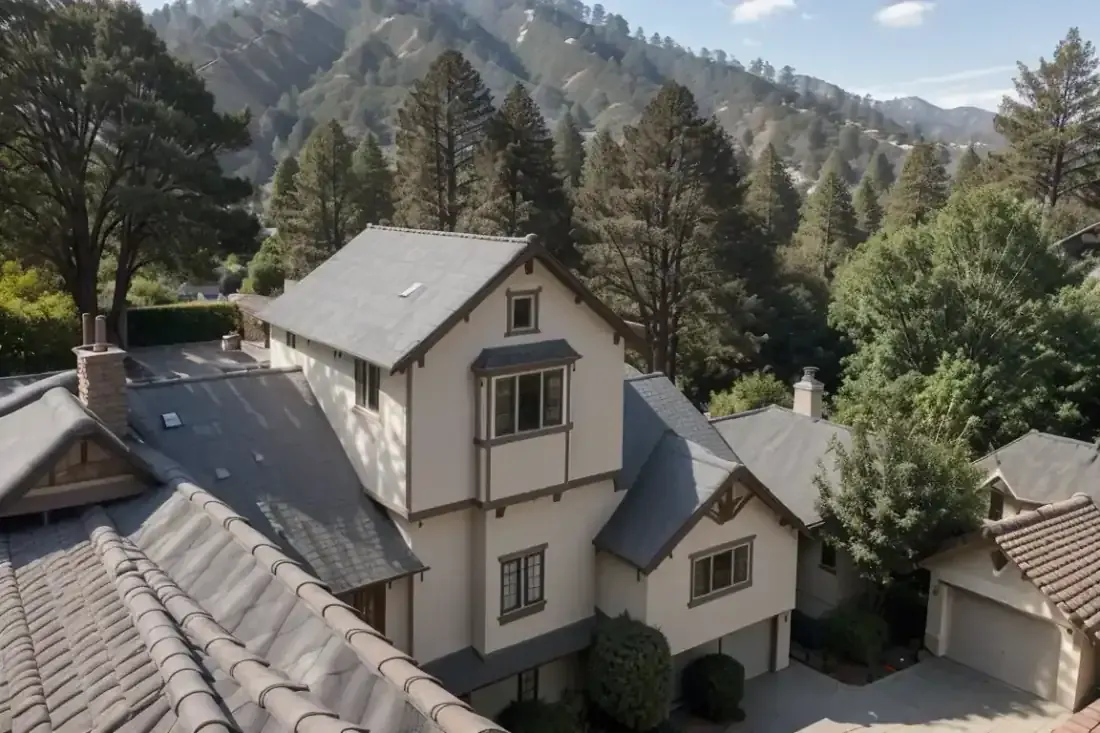
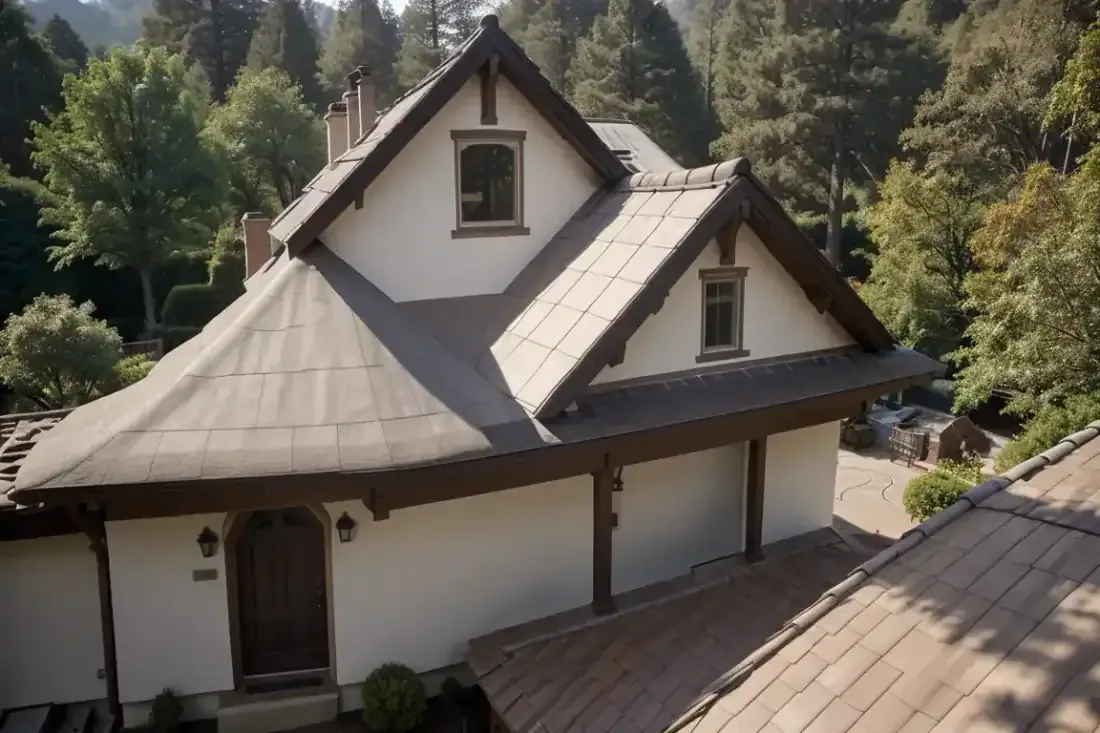
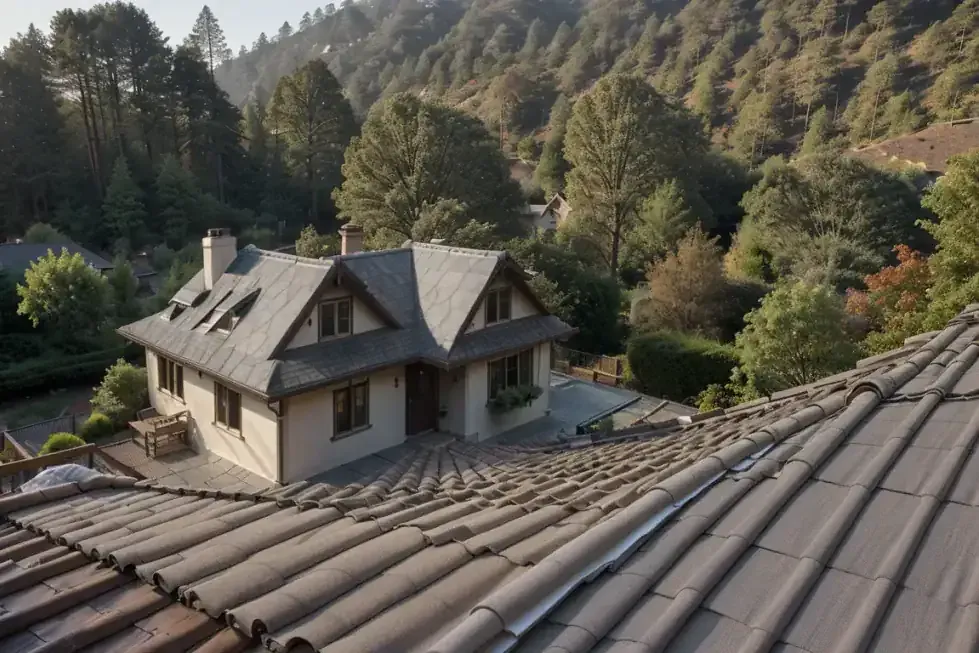
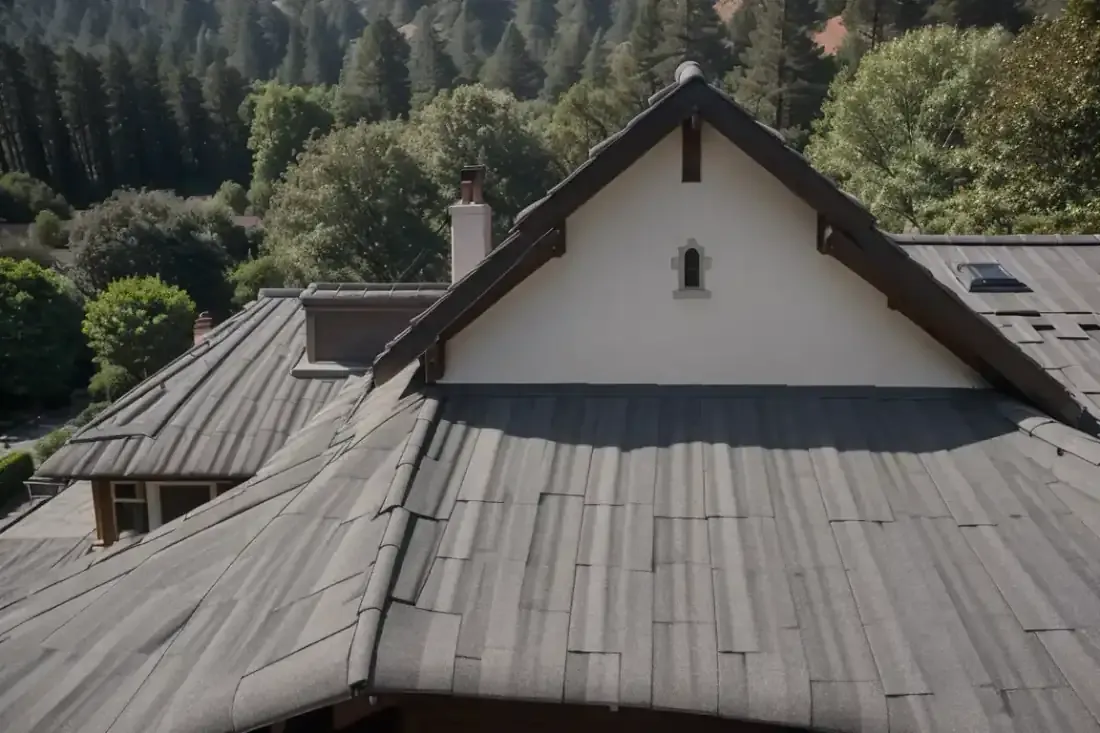
Roof Coating in Mill Valley, CA
Before choosing a reflective roof coating, ask the provider to check for trapped moisture and repair open seams.
Coating can protect a sound membrane from weathering; call (415) 753-4712 about roofing inquiries in Mill Valley and request a written assessment of your building’s suitability.
Call (415) 753-4712Roof coating protects sound membranes, not damaged decking
Roof coating adds a protective layer to a compatible existing roofing surface.
For building owners comparing restoration with replacement, the deciding issue is the condition beneath that surface: adhesion, moisture content and drainage matter more than the appearance of the finish.
- A roof condition survey should identify the existing membrane, previous coatings and areas where repairs have already failed.
- Trapped moisture can remain beneath an apparently intact surface, so suspicious areas require investigation before application.
- Rot or decay in the roof deck requires a repair scope rather than another layer of coating.
- A tear-off may be necessary where saturated materials or widespread end-of-life wear make restoration unsuitable.
Roof coating materials require substrate-specific selection
Roof coating selection depends on the existing substrate and its exposure to standing water or foot traffic.
Ask for the proposed product’s technical data sheet and written compatibility requirements; exterior wall paint does not automatically qualify as a roof restoration system.
- Acrylic elastomerics generally require suitable drainage and a dry application window; persistent ponding can limit their suitability.
- Silicone coatings can suit some roofs exposed to ponding water, but product approval does not eliminate drainage repairs.
- Polyurethane coating systems may offer abrasion resistance where maintenance access creates wear, subject to the specified system.
- Primer systems must match the substrate and existing finish; an adhesion test helps assess whether preparation is sufficient.
- Reflective finishes can reduce solar heat absorption, although building energy savings depend on insulation, climate and operation.
Questions about your roof?
Call (415) 753-4712Roof coating preparation determines adhesion and coverage
Roof coating application requires more than washing the roof and applying a finish.
The provider should document preparation, repair materials and application thickness in a written scope.
Each stage must leave a suitable surface for the next stage to bond.
- The provider surveys drainage paths and flashing, then uses appropriate moisture investigation to distinguish dry restoration areas from materials needing removal.
- Surface preparation removes loose coating and contaminants without damaging the membrane; cleaning water must drain and the substrate must dry.
- Compatible repair materials close splits and reinforce seams or penetrations where the specified system requires reinforcing fabric.
- The applicator completes primer and coating stages at specified coverage rates, checking wet film thickness and recording final coverage.
A recover or overlay proposal needs separate evaluation because adding a roofing layer differs from applying a liquid restoration system.
Ask the provider to identify which approach the estimate describes and explain how existing moisture, attachment and drainage affect that recommendation.
Roof coating costs depend on preparation and scheduling
Roof coating costs require a measured roof area and a documented repair scope. A local price range cannot be established from the supplied project information.
Compare estimates using the same preparation requirements and coating specification rather than comparing only their final totals.
- Roof area affects material quantities, but numerous penetrations can increase detailing labor even on a smaller rooftop.
- Failed seams and wet insulation add repair work that should appear separately from the coating application charge.
- Access restrictions and protection of nearby equipment can change setup requirements and the application method.
- Specified dry film thickness and substrate texture influence material consumption; a thin application is not an equivalent scope.
- Cure time depends on the product and weather; ask for preparation days, application stages and weather-delay allowances separately.
Questions about your roof?
Call (415) 753-4712Roof coating planning should account for moisture and exposure
Roof coating scheduling should reflect actual site conditions rather than assumptions about a region. Rain, dew and shaded surfaces can affect drying.
Thermal cycling stresses joints as materials expand and contract, but desert temperature extremes should not be presented as a local condition.
- Leaves and pine needles can obstruct drainage, so the assessment should include gutters, outlets and areas beneath overhanging branches.
- Rain and falling branches can expose defects that require storm damage repair before a coating project proceeds.
- Coastal salt exposure, where present, can accelerate metal corrosion; preparation must address corrosion before selecting a compatible protective system.
- Maintaining a sound existing roof can reduce tear-off waste, but sustainability depends on restoration suitability and future maintenance needs.
A reflective finish does not establish wildfire resistance or replace home-hardening measures.
Ask the provider how the proposed system affects the existing roof assembly, and have permit responsibility and applicable energy requirements confirmed before authorizing a change in surface characteristics.
Roof coating estimates should define verification and maintenance
Roof coating comparisons should include the documents that explain responsibility after application.
Request the provider’s license number and certificate of insurance, then review written warranty terms alongside the installation specification.
Credentials and coverage belong to the independent provider doing the work.
- A line-item estimate should identify preparation, repairs, primer and finish materials, plus exclusions for concealed damage.
- Written warranty terms should distinguish material defects from application defects and explain exclusions involving standing water or existing leaks.
- Insurance claim assistance should begin with damage documentation; the insurer determines coverage under the building owner’s policy.
- Completion records should include application details and maintenance instructions so future inspections can track adhesion and drainage changes.
Ask how the provider handles questions, change orders and follow-up concerns before signing.
Customer satisfaction is easier to evaluate when the promised scope and acceptance checks are written down, including how thin areas or missed detailing will be addressed.
Questions about your roof?
Call (415) 753-4712Roof Coating Questions
Can coating stop an existing roof leak?
Roof coating may help protect a sound membrane after defects are repaired, but it should not replace leak diagnosis.
Ask the provider to identify open seams, failed flashing and wet insulation first. Coating over trapped moisture can leave the original problem unresolved.
Should I coat the roof myself or call a roofer?
Roof coating requires safe access, substrate identification and controlled application thickness. Call a provider if you see interior leaks, blistering, soft areas or damaged flashing.
From ground level, you can document visible symptoms and previous leak dates without walking on a potentially weakened surface.
How long does coating work take?
Roof coating timing depends on cleaning, repairs, substrate drying and the product’s cure requirements. Ask for a schedule that separates preparation from application and final curing.
Rain, dew or unsuitable surface temperatures can delay stages, so a fixed duration needs a site-specific assessment.
Does my roof type change the coating approach?
Roof coating compatibility varies with the membrane, metal finish and previous treatments. Some surfaces need a primer or adhesion testing; others may be unsuitable for restoration.
Ask the provider to identify your substrate in writing and explain why the proposed system is compatible.
Will a reflective coating lower energy bills?
Roof coating with a reflective finish can reduce solar heat absorbed at the surface. Actual energy savings depend on insulation, existing roof color and building use.
Compare documented product properties rather than accepting a promised bill reduction without a building-specific assessment.
What should I verify before signing an estimate?
Roof coating estimates should specify preparation, seam repairs, primer and application thickness.
Ask for the provider’s license number, certificate of insurance, permit responsibility and written warranty terms.
Confirm how concealed moisture damage and changes to the original scope will be documented and priced.
Potential Water Entry Points
Follow the numbers from the eave upward to locate seams, outlets and flashing that need assessment.
- 1
- 2
- 3
- 4
- 5
- 6
- 1 Blocked gutter outlet
- 2 Open eave flashing lap
- 3 Split lower membrane seam
- 4 Failed pipe penetration seal
- 5 Open upper roof seam
- 6 Cracked parapet flashing
Questions about your roof?
Call (415) 753-4712Typical cost bands
| Scope | Typical low | Typical high | What moves it |
|---|---|---|---|
| Silicone or acrylic coating, per square foot | $4 | $9 | Surface preparation and coating thickness |
| Recoat of an existing flat section | $3,120 | $6,960 | Square footage and membrane condition |
The Roof Coating Process
- Request an assessment from an independent provider. The inspection should identify the existing roof system, drainage defects and evidence of moisture beneath the membrane.
- Compare a written repair and coating specification. Confirm material compatibility, primer requirements, coverage rate and responsibility for any permit review.
- Have the provider prepare the substrate. Cleaning, removal of loose material and repair of defective seams must precede coating; wet surfaces need time to dry.
- Confirm application controls. The provider should follow product requirements for weather conditions, film thickness and intervals between coats rather than promise a fixed completion time.
- Review completion and cleanup. Ask for drainage checks, removal of application waste, photographs of repaired details and written maintenance and warranty documents.
Questions about your roof?
Call (415) 753-4712Also Available
Signs You Need Roof Coating
Signs your coating needs assessment
- Visible cracks or peeling coating sections expose areas where adhesion or flexibility may have failed.
- Water stains or interior ceiling leaks require leak detection before any recoating decision.
- Chalky residue or color fading on the surface can indicate weathering that needs closer examination.
- Pooling water visible after rain events suggests a drainage problem that coating alone cannot resolve.
- Blistering can indicate trapped moisture or poor adhesion and should be investigated before application.
- Leaves and pine needles around outlets can hold moisture and obstruct drainage during rainy weather.
- Corrosion around exposed metal details requires preparation and repair before a compatible coating is considered.
- Lifted seams or branch punctures need direct repair rather than being hidden beneath a finish coat.
If your roof is leaking, call (415) 753-4712 now about roofing inquiries in Mill Valley. Before authorizing coating work, ask the provider for its license number, certificate of insurance and a written scope addressing the source of water entry.
Written Estimates · Independent Local Providers · warranty
Call (415) 753-4712