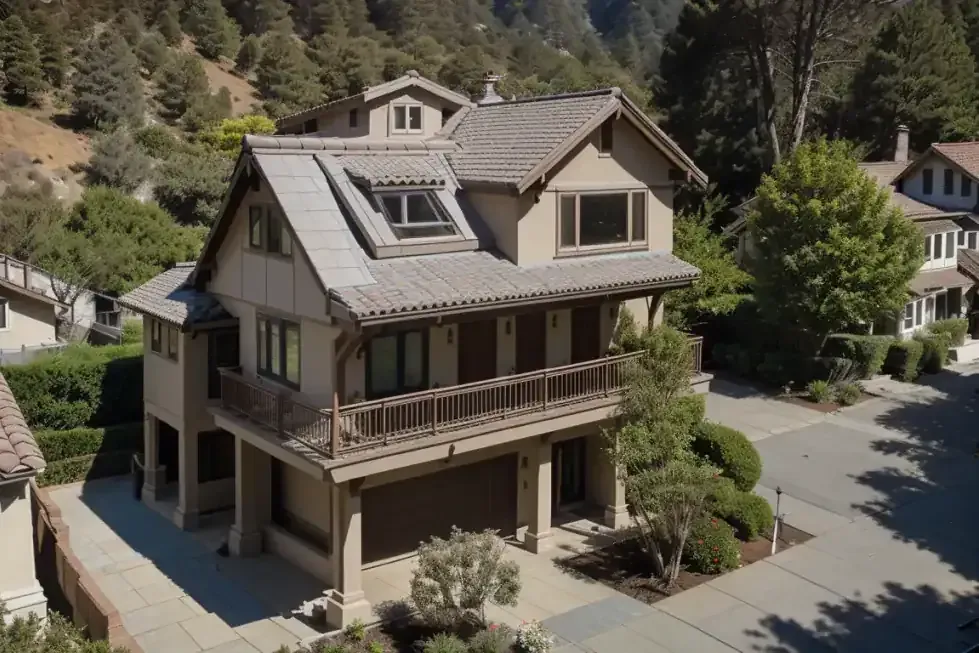
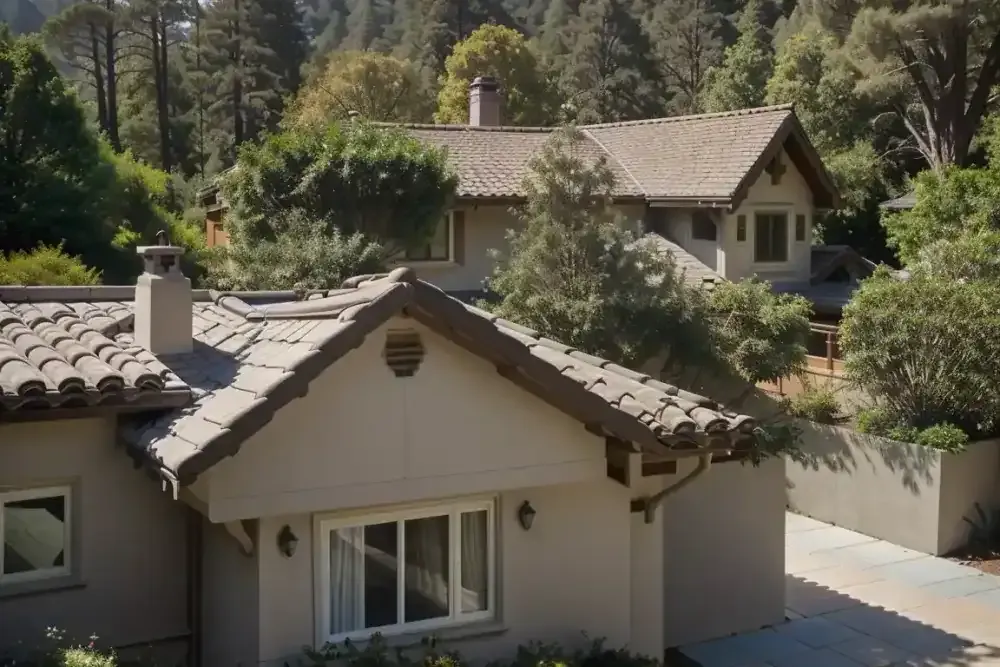
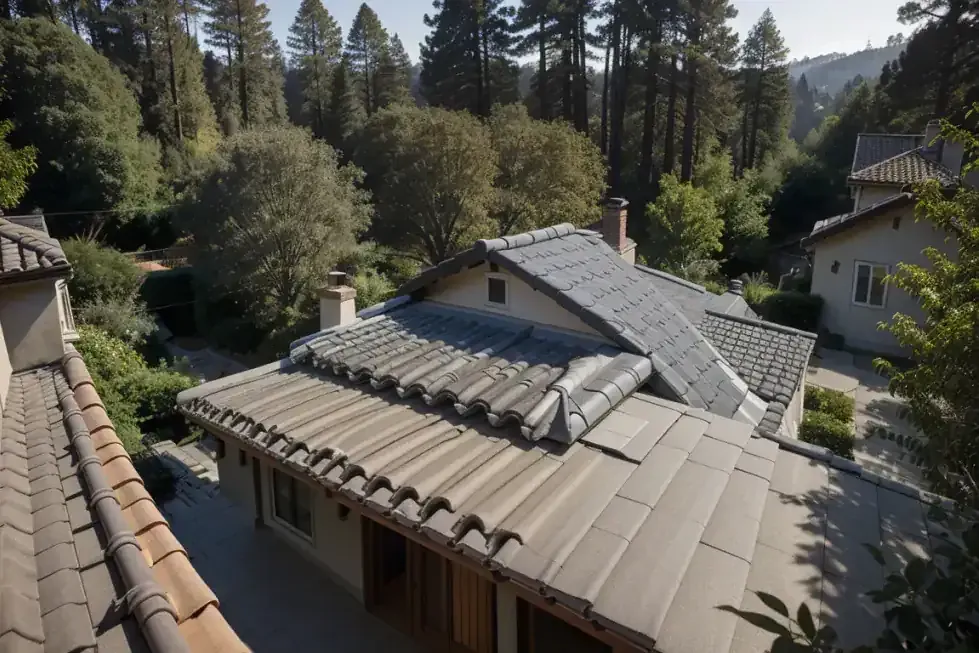
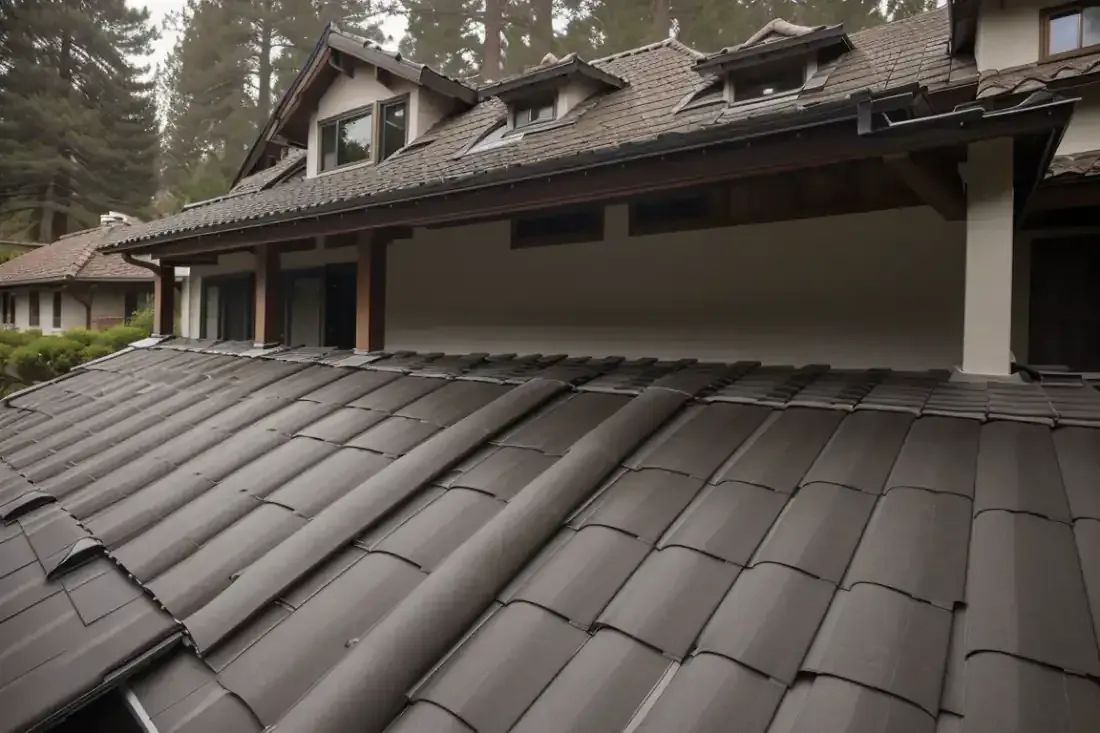
Gutter Installation in Mill Valley, CA
Properly pitched gutters and correctly sized downspouts direct roof runoff away from your foundation instead of letting it spill behind the fascia.
For gutter installation inquiries in Mill Valley, call (415) 753-4712 and ask the provider to assess drainage outlets, attachment points and existing wood damage.
Call (415) 753-4712Gutter installation should address the entire drainage route
Gutter installation requires a continuous route from the roof edge to a suitable discharge point.
Your provider should measure each eave, assess concentrated runoff and explain where downspouts will discharge before you approve materials or placement.
- Roof catchment area determines how much water each gutter run must collect; eave length alone does not establish capacity.
- Roof valleys concentrate runoff, so the receiving gutter needs an outlet arrangement that limits overshooting during heavy rain.
- Downspout sizing should account for the roof area served and the capacity of the outlet connecting it.
- Discharge locations should carry water away from foundations without directing runoff toward neighbouring properties or vulnerable slopes.
- Drip edge should direct roof water into the gutter rather than behind its back edge.
- Fascia attachment requires sound backing; new hangers cannot correct wood that has lost its holding strength.
Gutter installation materials need comparable specifications
Gutter installation estimates should identify metal thickness, profile and joint construction.
A material name alone leaves important differences unresolved, including coating durability, fastener compatibility and how the provider accommodates expansion along longer runs.
- Aluminum K-style gutters offer a formed profile, but the estimate should state actual metal thickness rather than describing aluminum as heavy duty.
- Galvanized steel uses a protective zinc coating; exposed cuts and damaged finishes need attention because corrosion can develop at those points.
- Half-round copper requires compatible brackets and joint details; copper runoff should not discharge onto metals vulnerable to galvanic corrosion.
- Continuous formed lengths reduce intermediate joints, although corners, end caps and outlets still require watertight connections.
- Leaf guards need a debris-specific assessment because fine pine needles can pass through some openings or accumulate across the surface.
- Expansion details should follow the selected system's instructions; rigidly restraining long metal runs can strain joints as temperatures change.
- Sealant must suit the gutter metal and joint design; covering a dirty, moving joint with another bead rarely addresses the underlying failure.
Questions about your roof?
Call (415) 753-4712Gutter installation becomes appropriate when repairs stop lasting
Gutter installation is worth comparing with repair when repeated leaks accompany distorted sections or failing attachment points.
Cleaning may resolve overflow from debris, while corrosion holes, unsuitable capacity and extensive fascia decay require a different scope.
- Water overflowing during rain can indicate blocked outlets, inadequate capacity or incorrect fall; observe where the overflow starts before assuming replacement is necessary.
- Peeling paint on fascia boards can indicate repeated wetting behind the gutter, where water may seep into joints and wick through exposed wood.
- Rust stains on siding or concrete warrant checking metal sections, brackets and fasteners rather than treating the stain alone.
- A gutter pulling away from the roofline needs an attachment assessment because loaded sections can detach and damage the eave.
- Persistent low spots allow water to settle and debris to collect; a distorted run may need replacement rather than another sealant repair.
- Rot and decay in fascia can leave new screws without sound purchase, so timber repairs should precede refitting.
Gutter installation planning should account for debris and exposure
Gutter installation planning should consider the debris reaching your roof and the conditions affecting its metalwork.
Oak leaves and pine needles can obstruct outlets, while wind-driven debris and salt exposure warrant attention to maintenance access and compatible finishes.
- Oak leaves can bridge outlet openings, allowing smaller debris to collect behind them and restrict drainage during rain.
- Pine needles can mat across leaf guards, so ask how the selected cover can be opened or cleaned safely.
- Dry debris creates combustible material near the eave; leaf protection does not eliminate the need to remove accumulated vegetation.
- Coastal salt exposure can accelerate corrosion, particularly where coatings flake or dissimilar metals remain wet together.
- High wind and falling branches can bend sections or loosen brackets; an impact-damaged run needs inspection before another storm.
- Separated joints should be checked for movement and inadequate support; their appearance alone cannot establish seismic damage.
- Heavy rain tests the whole drainage route, including buried pipes; replacing the visible gutter will not clear a blocked underground connection.
Questions about your roof?
Call (415) 753-4712Gutter installation follows measurement, repair and drainage testing
Gutter installation should proceed from measured design to a documented water test.
Ask your provider to explain installation access and scheduling dependencies, especially when concealed fascia damage, custom fabrication or approval for drainage changes could interrupt the work.
- The provider inspects the eave, soffit and existing drainage, then records gutter lengths, corners, outlets and proposed downspout routes.
- You compare a written scope identifying materials, removal, access arrangements and responsibility for checking applicable permit requirements.
- The provider removes existing sections carefully and exposes attachment areas so damaged wood can be assessed before new metal covers it.
- The installer establishes fall toward outlets and secures compatible hangers into suitable backing according to the selected system's instructions.
- Gutter sections, corners and downspouts are connected with allowance for movement and access for future maintenance.
- A controlled water test checks flow, joint leakage and discharge; the final walkthrough should also address offcuts, removed fasteners and disposal.
Gutter installation costs depend on measured quantities
Gutter installation costs cannot be established from a roof photograph alone.
Treat any planning range as provisional until the provider measures your property, checks access and separates drainage work from repairs to concealed wood or flashing.
- Measured gutter length and the number of corners affect both material quantities and fabrication labor.
- Downspout count, elbows and discharge extensions change the scope even when two homes have similar eave lengths.
- Multiple storeys, restricted side access and sloping ground can require different access equipment and additional setup.
- Fascia replacement should have a stated allowance or change-order method so hidden decay does not create an unexplained charge.
- Drainage connections need a separate description, including who verifies permit requirements before connecting to an existing stormwater system.
Questions about your roof?
Call (415) 753-4712Gutter installation estimates should include written protections
Gutter installation comparisons should cover the contract as closely as the metalwork.
Before authorizing work, ask the contractor you choose for its license number, certificate of insurance and written warranty terms, together with responsibility for permits and damage discovered during removal.
Material coverage and installation coverage may have different exclusions. Ask who handles a leaking joint, whether maintenance affects coverage and what documents you receive at completion.
Insurance claim decisions belong to your insurer; gradual corrosion and sudden impact damage may receive different treatment.
Call (415) 753-4712 for gutter installation inquiries.
Before scheduling with an independent local provider, request a written start window, expected working duration and an explanation of weather delays, repair approvals and the final drainage test.
Gutter Installation Questions
When should you call a provider instead of fixing gutters yourself?
Gutter installation requires professional assessment when sections pull away, fascia feels soft or drainage changes involve elevated access.
You can observe overflow from ground level, but avoid climbing during rain or attempting to secure loaded gutters.
Ask whether cleaning or a limited repair would resolve the problem first.
How long does the work take?
Gutter installation timing depends on measured length, access, fabrication and the condition of the fascia behind existing sections.
Ask the provider for an expected working duration after inspection.
Confirm how rain, concealed decay or drainage approvals could change the schedule before you arrange access or authorize removal.
Does your roof type change the installation approach?
Gutter installation must suit your roof covering, eave detail and runoff pattern.
Tile edges require careful access, while metal roofs can discharge fast-moving water beyond a poorly positioned gutter.
Ask how the provider will protect the covering and connect the gutter to the existing drip edge.
Are leaf guards worth including?
Gutter installation can include leaf guards when their opening size and maintenance access suit the debris above your roof.
Broad leaves and fine pine needles behave differently. Ask how the cover handles concentrated valley runoff and how you will remove material that accumulates on top.
Can new gutters stop dampness around the foundation?
Gutter installation can reduce roof runoff reaching the foundation when downspouts discharge to suitable locations.
It cannot resolve every source of dampness, including poor ground grading or blocked buried drainage.
Ask the provider to trace the entire water route rather than pricing replacement gutters alone.
What paperwork should you request before agreeing to work?
Gutter installation should have a written scope identifying metal thickness, measured lengths, downspout locations and attachment repairs. Request the provider's license number and certificate of insurance.
Ask for written warranty exclusions, permit responsibility and a change-order procedure for concealed fascia damage before you authorize the job.
Questions about your roof?
Call (415) 753-4712Roof Edge Water Entry
Follow the numbers from the gutter upward to distinguish drainage failures from leaks higher on your roof.
- 1
- 2
- 3
- 4
- 5
- 6
- 1 Leaking gutter outlet
- 2 Overflowing gutter back edge
- 3 Gap behind drip edge
- 4 Damaged eave underlayment
- 5 Open valley flashing seam
- 6 Failed uphill wall flashing
Typical cost bands
| Scope | Typical low | Typical high | What moves it |
|---|---|---|---|
| Seamless aluminum, per linear foot | $6 | $12 | Linear feet, stories, and roofline |
| Seamless steel, per linear foot | $8 | $20 | Material and gauge |
| Seamless copper, per linear foot | $30 | $50 | Material and detailing |
| Full-perimeter seamless, 150 linear feet installed | $900 | $3,000 | Home size and downspout count |
| Gutter repair | $100 | $450 | Run length and fastening |
Questions about your roof?
Call (415) 753-4712The Gutter Installation Process
- Inspect and measure. The provider checks the roof edge, fascia and existing downspouts, then measures each run and identifies concentrated valley runoff.
- Compare the specification. You review metal thickness, gutter profile, outlet positions and leaf protection alongside permit responsibility and written warranty terms.
- Confirm scheduling dependencies. Ask for the expected working duration and how weather, material fabrication or concealed wood repairs could change it.
- Prepare and install. The installer removes old sections, addresses approved backing repairs and fits gutters with suitable fall, hangers and compatible connections.
- Test and close out. The provider checks drainage with water, examines joints and discharge points, removes installation debris and records outstanding corrections before your final acceptance.
Also Available
Questions about your roof?
Call (415) 753-4712Signs You Need Gutter Installation
Signs replacement deserves an assessment
- Water overflowing during rain continues after outlets and downspouts have been cleared.
- Peeling paint on fascia boards suggests water may be passing behind the gutter.
- Rust stains on siding or concrete accompany corrosion at seams, brackets or steel sections.
- A gutter pulling away from the roofline leaves visible gaps or loose attachment points.
- Oak leaves and pine needles repeatedly block outlets, indicating a need to reassess debris access and protection.
- Standing water remains in sagging sections after rainfall, suggesting distorted runs or incorrect fall.
- Wind-blown branches have bent the gutter edge or displaced brackets near the eave.
- Corrosion holes or recurring joint leaks persist despite previous local repairs.
Call (415) 753-4712 now for roofing and gutter inquiries in Mill Valley if overflow or loose sections are worsening. Before authorizing work, ask the provider for its license number, certificate of insurance and a written scope covering drainage, attachment repairs and permit responsibility.
Written Estimates · Independent Local Providers · warranty
Call (415) 753-4712