Roof Inspection in Mill Valley, CA
Mill Valley Roof Repair inquiries about roof inspection should start with a request for photos of flashing, roof coverings and accessible attic conditions.
Ask the provider to document defects and inspection limitations. Call (415) 753-4712 to discuss your inspection needs.
Call (415) 753-4712Roof inspection should document conditions before recommending work
Roof inspection should give you a written account of visible defects, supporting photographs and areas the provider could not examine.
For a purchase decision or maintenance plan, ask for findings that distinguish immediate water-entry risks from conditions that need monitoring.
- A written report should identify each defect by roof slope or component so you can locate it later.
- Photographs should include close views of damage and wider views showing where that damage sits on the roof.
- Inspection limitations should explain whether concealed underlayment, covered decking or inaccessible attic spaces remain unassessed.
- Repair recommendations should connect the proposed work to documented evidence rather than treating every worn component as a replacement requirement.
Roof inspection methods should match your roofing material
Roof inspection methods should reflect the covering, slope and access restrictions.
Ask how the provider will examine vulnerable junctions without damaging the roof, and whether any proposed instrument measures moisture directly or only identifies an area that deserves closer examination.
- Asphalt shingles need checks for granule loss, splits, lifted edges and failed seals; sunlight also contributes to binder and sealant deterioration.
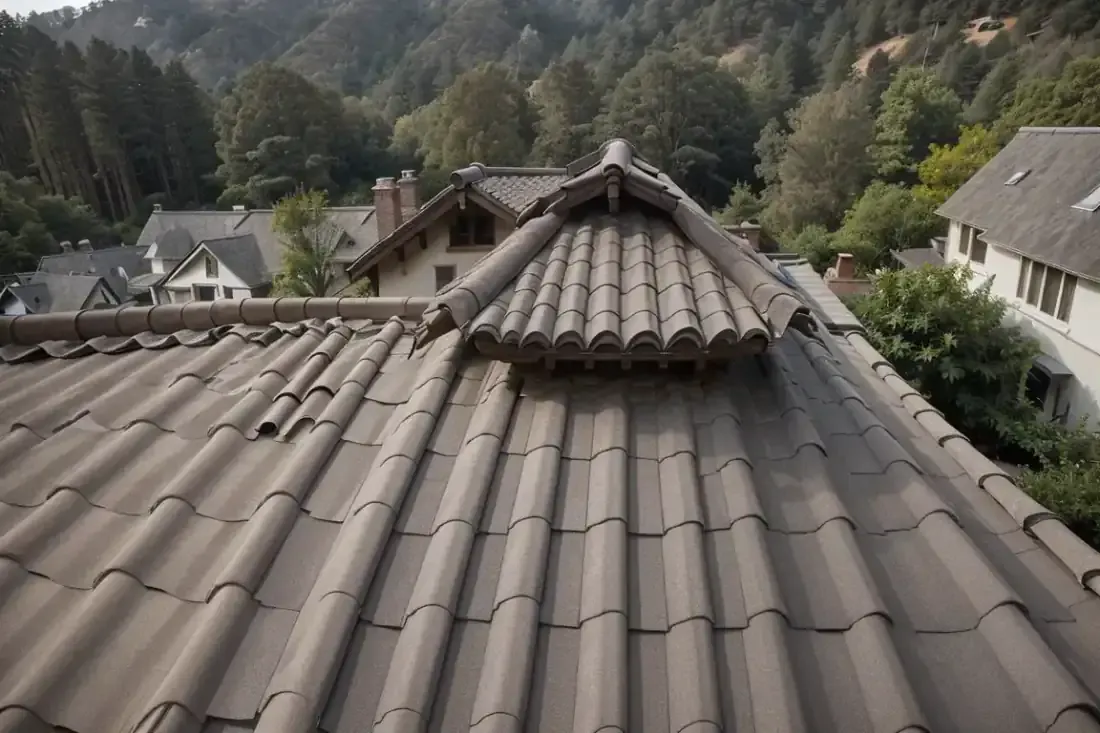
- Clay and concrete tiles need checks for cracks, displacement and deteriorated mortar, with an access method that limits breakage.
- Metal panels need examination around seams and fasteners because corrosion and movement can compromise weather-resistant joints.
- Low-slope membranes need checks for open seams, punctures and blistering; ponding water also calls for a drainage assessment.
- Drone imagery can document difficult roof areas, but photographs cannot establish the condition of concealed underlayment or decking.
- A moisture meter can support investigation of accessible damp materials, while an infrared scan identifies temperature differences that require interpretation.
- Attic checks should distinguish roof leakage from condensation and record blocked ventilation paths or damp insulation where accessible.
Questions about your roof?
Call (415) 753-4712Roof inspection should follow a documented sequence
Roof inspection works best when you agree on access, deliverables and exclusions before the visit.
Confirm the expected appointment length and report delivery date with the provider; roof complexity, weather and diagnostic testing can change both.
- Describe the inspection purpose and share leak locations, previous repair records and photographs taken during rain.
- Confirm safe access arrangements, attic entry requirements and whether the provider expects to walk the covering or use remote imagery.
- Have the provider examine accessible coverings, valleys and penetrations, with particular attention to chimney flashing and pipe boots.
- Request an interior comparison where accessible, because water can wick along framing before appearing below its entry point.
- Review the written findings, clarify unexamined areas and agree on any separate permission needed for invasive testing.
Opening the roof is a separate decision.
If the provider proposes lifting coverings or cutting a test opening, ask how the area will be restored, who handles debris and what happens if concealed damage extends beyond the initial opening.
Roof inspection should consider rain, debris and ember exposure
Roof inspection should consider how debris, weather exposure and drainage interact around your home.
After heavy winter rain or high wind, ask the provider to distinguish newly displaced materials from older deterioration rather than assigning every defect to the latest storm.
- Leaves and pine needles can obstruct valleys and gutters, causing water to back up at roof edges.
- Overhanging branches can abrade coverings, and fallen limbs can puncture materials or damage the supporting deck.
- Wind uplift can loosen flashing around penetrations, so displaced edges need closer examination after a storm.
- Wildfire ember concerns justify checking debris accumulation and vulnerable roof-edge junctions; appearance alone cannot establish an assembly's fire rating.
Questions about your roof?
Call (415) 753-4712Roof inspection findings should support provider comparisons
Roof inspection findings should help you compare written scopes and decide what to verify before authorizing work.
Ask the contractor you choose for its license number, certificate of insurance and written warranty terms, together with responsibility for any required permits.
- A repair scope should identify affected components, proposed materials and the treatment of concealed damage discovered after opening.
- Warranty terms should state covered work, exclusions, duration and the procedure for reporting a later defect.
- Insurance documentation should preserve dated photographs and observed conditions without promising that a claim will be accepted.
- Sustainability decisions should weigh targeted repairs against end-of-life wear; retaining sound materials can reduce unnecessary tear-off waste.
- Energy-efficiency recommendations should address insulation and ventilation together, since changing one component can affect attic moisture conditions.
For an insurance inquiry, keep the report separate from assumptions about coverage. Your policy and the insurer's assessment govern that decision.
For proposed replacement, ask why repairs are insufficient and which photographs support the recommendation.
Roof Inspection Questions
When should you call a roofer instead of checking the roof yourself?
Roof inspection by a provider is appropriate when access requires climbing, tiles are fragile or you see sagging, storm damage or active leakage.
You can photograph symptoms from the ground and record interior stains without walking onto the roof or disturbing damaged materials.
How long does an inspection take?
Roof inspection timing depends on roof size, slope, access and whether attic assessment or diagnostic testing is included.
Ask the provider for the expected visit duration and a separate report delivery date. Weather or unsafe access may require a revised inspection method.
Does the roofing material change the approach?
Roof inspection methods should match the covering. Shingles need checks for lifted edges and exposed asphalt; tiles require access that limits breakage.
Metal roofs need seam and fastener checks, while low-slope membranes need attention to punctures, seams and drainage.
Can an inspection prove where a leak starts?
Roof inspection can identify likely entry points, but visible stains do not always reveal the source. Water can travel along framing or underlayment.
Ask whether moisture readings or controlled testing are needed, and what further investigation would cost before authorizing it.
What should a written inspection report contain?
Roof inspection reports should identify observed defects, their locations and supporting photographs. Ask for accessible attic findings, inspection limitations and recommendations ranked by urgency.
A proposed repair scope should explain which documented defect each task addresses and identify any excluded work.
Will the report establish insurance coverage or warranty protection?
Roof inspection findings can document conditions, but they do not establish insurance coverage or create a repair warranty. Ask your insurer what evidence it needs.
Before approving repairs, obtain the provider's written warranty terms and clarify exclusions, claim procedures and responsibility for concealed damage.
Questions about your roof?
Call (415) 753-4712Potential Roof Water Entry
Follow the numbers from the eave toward the ridge to locate potential water-entry points on your roof.
- 1
- 2
- 3
- 4
- 5
- 6
- 1 Blocked gutter outlet
- 2 Lifted eave shingles
- 3 Open valley flashing
- 4 Gapped sidewall step flashing
- 5 Split upper pipe boot
- 6 Cracked ridge cap
Typical cost bands
| Scope | Typical low | Typical high | What moves it |
|---|---|---|---|
| Standard roof inspection | $125 | $392 | Roof size, pitch, and report depth |
| Attic inspection add-on | $200 | $500 | Attic access and area |
| Roof certification letter | $150 | $200 | Documentation the buyer or insurer requires |
Questions about your roof?
Call (415) 753-4712The Roof Inspection Process
- Describe your concerns when making an inquiry through 4157534712, including leak locations and whether the inspection concerns maintenance, a purchase or storm damage.
- Agree directly with the provider on access, inspection methods, appointment duration and the expected written-report delivery date.
- Ask the provider to assess accessible coverings, flashing and drainage, using material-appropriate access and documenting any areas that cannot be examined safely.
- Have accessible attic evidence compared with exterior findings, and authorize moisture testing separately if its purpose and cost are explained.
- Review the photographs and written findings; confirm that any test openings will be restored and inspection-related debris removed before approving separate repairs.
Also Available
Questions about your roof?
Call (415) 753-4712Signs You Need Roof Inspection
Signs that warrant an inspection
- Missing or curled shingles on slopes leave roof layers more exposed to wind-driven rain.
- Water stains on interior ceilings or walls need investigation, especially when they expand after winter rain.
- Granules accumulating in gutters and downspouts warrant a closer assessment of shingle wear.
- Visible daylight through roof boards in the attic needs evaluation to distinguish damage from designed ventilation.
- Leaves and pine needles packed into valleys can obstruct drainage and hold moisture against roof components.
- Lifted flashing around a chimney or pipe after high wind can create an entry point for water.
- Fallen branches, punctures or a newly uneven roofline call for assessment without walking onto the damaged area.
- Blistering membranes or persistent ponding on a low-slope roof warrant checks of surface condition and drainage.
If rain is revealing new stains in your Mill Valley home, call (415) 753-4712 now to discuss the problem. Before authorizing work, ask the provider for its license number, certificate of insurance and a written scope tied to documented findings.
Written Estimates · Independent Local Providers · warranty
Call (415) 753-4712