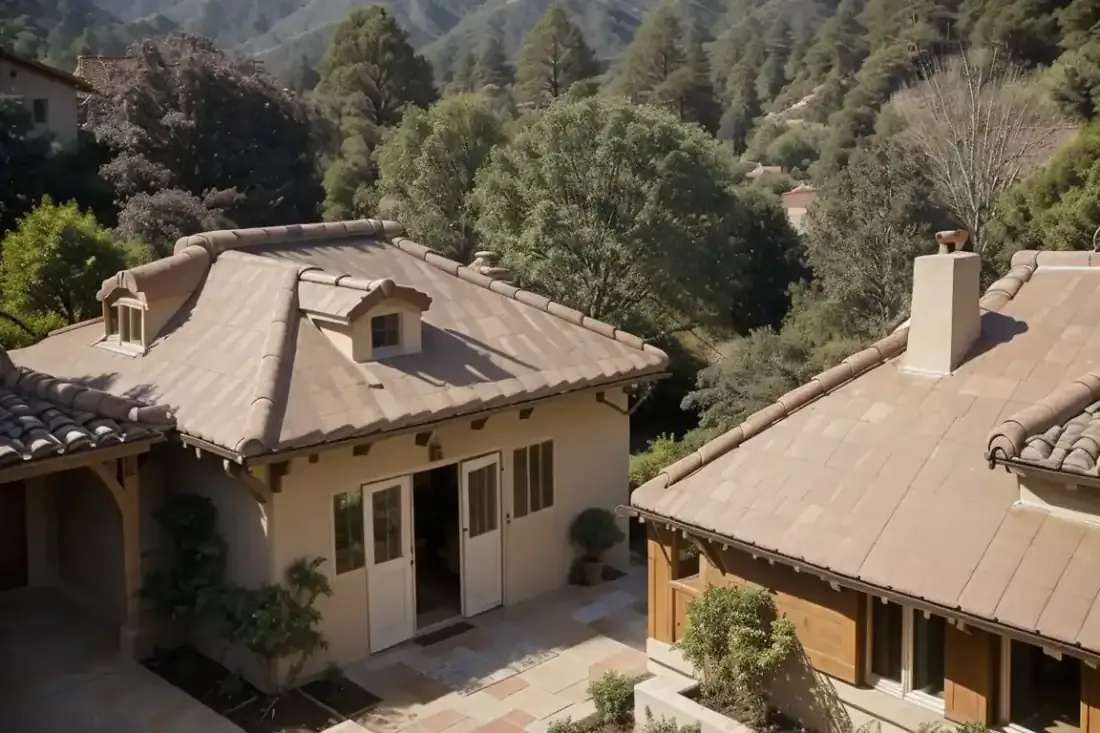
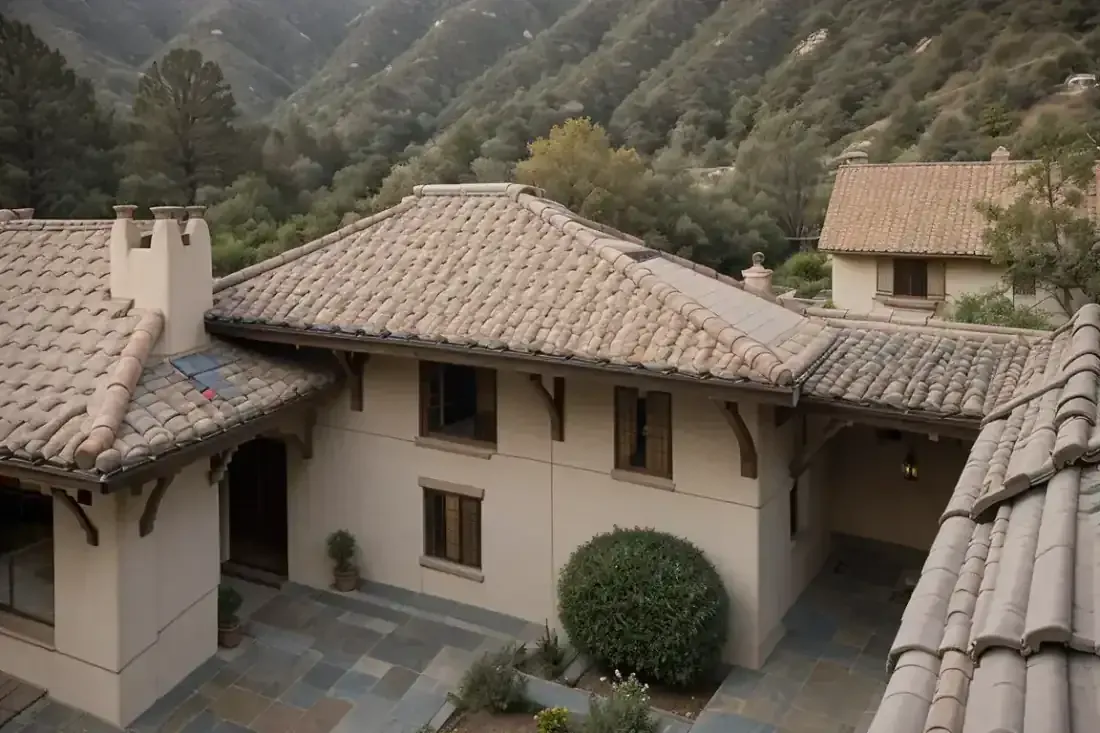
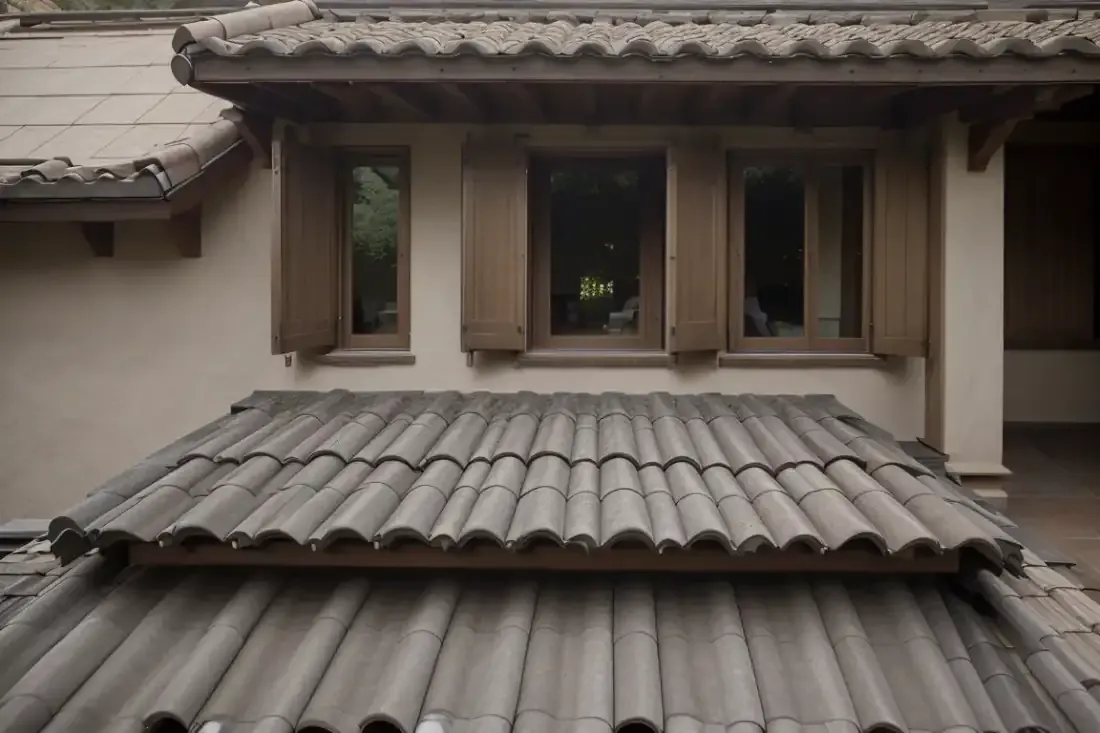
Tile Roofing in Mill Valley, CA
Replacing cracked tiles alone may leave leaks unresolved when the underlayment beneath them has failed. Ask your provider to inspect both layers and document flashing repairs.
For tile roofing inquiries in Mill Valley, call (415) 753-4712.
Call (415) 753-4712Tile roofing repairs must address the water path
Tile roofing sheds rain through overlapping clay or concrete units, while underlayment manages water that passes beneath them.
Your provider should distinguish isolated tile damage from concealed waterproofing failure before recommending replacement tiles, a lift-and-relay repair, or complete replacement.
- Cracked tiles can admit water, but the provider should also inspect the underlayment directly below each damaged area.
- Interlocking joints need the specified overlap; repeated thermal movement can expose weaknesses in incorrectly fitted units.
- Valley flashing channels concentrated runoff, so debris or damaged metal can cause leaks beneath otherwise intact tiles.
- Lift-and-relay work removes reusable tiles to renew underlying components, then reinstalls suitable units with compatible replacements.
- Full replacement deserves comparison when widespread breakage accompanies deteriorated underlayment or substantial deck damage.
Tile roofing materials require compatible profiles and support
Tile roofing repairs depend on matching geometry as well as appearance. Ask the provider to identify the existing profile, fastening method and support arrangement.
A replacement that looks similar may still have incompatible interlocks or require different batten spacing.
- Barrel clay tiles have curved profiles, and replacement pieces must fit the existing pan-and-cover arrangement.
- Flat concrete tiles need compatible interlocks and exposure; color matching alone does not establish suitability.
- Mission-style S-tiles combine raised and lower sections, so alignment affects drainage between adjoining units.
- Underlayment selection should follow roof pitch, assembly requirements and installation instructions rather than a generic material allowance.
- Self-adhered membranes need a suitable substrate and correctly detailed laps; they cannot compensate for defective flashing.
- Battens require spacing appropriate to the tile profile, and the provider should investigate slippage before simply resetting tiles.
Questions about your roof?
Call (415) 753-4712Tile roofing work follows an inspection-led sequence
Tile roofing work should begin with a documented diagnosis and an agreed opening area.
The contractor you choose should explain how exposed decking will be protected, which tiles can be reused, and what happens if concealed deterioration changes the scope.
- The inspection should record tile profile, roof pitch, flashing condition and accessible signs of moisture beneath the covering.
- The written scope should mark removal boundaries and distinguish tile replacement from underlayment renewal and deck repairs.
- Selective removal should preserve reusable units and expose enough surrounding material to establish sound waterproofing connections.
- Deck repairs should address deteriorated sheathing before new underlayment and flashing conceal the affected area.
- Reinstallation should follow specified fastening, head lap and alignment requirements, followed by photographs and a debris check.
Tile roofing costs and timelines depend on concealed conditions
Tile roofing costs cannot be reduced to a supported local price band without project measurements and inspection findings. Compare itemised estimates for the same repair boundaries.
Ask each provider to separate visible work from allowances for damage discovered after tiles are lifted.
- Tile availability affects sourcing and scheduling, particularly when the existing profile is difficult to match.
- Roof access and pitch influence staging, fall protection and the labor needed to move fragile materials.
- Underlayment replacement can require lifting a larger area than the visible leak suggests to form workable laps.
- Deck condition changes the scope when removal reveals rot, delamination or inadequate fastening support.
- Scheduling should identify material lead times, weather dependencies and inspection stages; request a written duration after diagnosis.
Questions about your roof?
Call (415) 753-4712Tile roofing weather protection extends beyond the tiles
Tile roofing needs clear drainage paths and compatible perimeter details through wet weather. Ask your provider to assess debris accumulation and wind exposure at your property.
Fire performance and energy efficiency should be evaluated for the complete assembly, rather than inferred from tile material alone.
- Leaves and pine needles can obstruct valleys and gutters, allowing runoff to back up beneath adjacent tiles.
- Overhanging branches can drop debris onto brittle units; pruning decisions should account for safe access and tree condition.
- Wind-driven rain can reach weak joints, making underlayment continuity and flashing laps important during winter storms.
- Sunlight can fade finishes without proving leakage, while salt exposure, where present, warrants checking metal flashing for corrosion.
- Tile reuse may reduce discarded material, but cracked units and unsuitable attachments should not be retained merely to avoid waste.
Tile roofing estimates need verifiable documents and closeout terms
Tile roofing comparisons should include the provider's documents alongside materials and labor. Ask for its license number and certificate of insurance before authorizing work.
Written warranty terms should identify the responsible contractor, covered defects, exclusions and the procedure for reporting a problem.
- Permit responsibility should appear in the scope; ask the provider to verify current requirements rather than assume a universal replacement threshold.
- Structural review should address tile loading and attachment where necessary; request the applicable requirements instead of relying on an unsupported code reference.
- Fire and energy documentation should identify the proposed assembly and applicable requirements, rather than claim every tile product meets them.
- Insurance claim assistance should separate damage documentation from coverage decisions; the insurer determines whether policy terms cover the loss.
- Closeout records should include repair photographs, material identification and written warranty terms, with an explanation of any remaining maintenance needs.
Questions about your roof?
Call (415) 753-4712Tile Roofing Questions
Can you replace cracked tiles yourself?
Tile roofing can fracture under foot pressure, and safe access requires more than a ladder.
Call a provider for cracked or displaced units, active leaks or uncertain attachment conditions.
You can photograph visible damage from the ground and record when interior stains appear.
How long does tile repair take?
Tile roofing repair duration depends on access, replacement availability and the condition beneath lifted tiles.
Ask the provider to distinguish time on site from material lead time.
The written schedule should explain weather delays and what happens if concealed deck damage expands the work.
Does clay versus concrete change the repair?
Tile roofing requires replacement units compatible with the existing profile, dimensions and attachment system. Clay and concrete products can differ in weight and interlock geometry.
Ask the provider to identify the assembly before ordering materials; a similar color does not establish a workable match.
Can the tiles be reused when underlayment fails?
Tile roofing may allow sound units to be lifted and relaid while underlayment is renewed. Reuse depends on tile condition, removal breakage and compatible replacements.
Your estimate should state the expected reuse approach and explain how additional replacement tiles will be priced and approved.
Will insurance cover broken tiles?
Tile roofing damage may qualify for coverage depending on the cause and your policy terms.
Ask the provider for photographs and a repair scope, then confirm coverage with your insurer.
Age-related deterioration and a sudden impact can receive different treatment; payment should never be assumed.
What warranty documents should you request?
Tile roofing warranty terms should distinguish the contractor's installation coverage from any applicable material warranty.
Ask for duration, exclusions, claim procedures and the responsible party in writing.
Confirm how reused tiles and existing components are treated before you authorize the proposed work.
Tile Roof Water Entry
Follow the numbers from the eave upward to locate possible drainage obstructions and water entry points.
- 1
- 2
- 3
- 4
- 5
- 6
- 1 Blocked eave drainage
- 2 Cracked lower tiles
- 3 Open field tile joints
- 4 Obstructed valley flashing
- 5 Failed upper penetration flashing
- 6 Displaced ridge tiles
Questions about your roof?
Call (415) 753-4712The Tile Roofing Process
- Document the condition. Ask the independent provider to inspect tile breakage, displacement, flashing and accessible underlayment, then explain the likely water path.
- Agree on scope and timing. Confirm repair boundaries, replacement profiles, permit responsibility and a schedule that accounts for material availability and weather.
- Expose the affected assembly. The contractor should lift the specified tiles, assess decking and request approval for concealed repairs outside the agreed scope.
- Restore waterproofing and tile attachment. The work should connect underlayment and flashing correctly before compatible tiles are secured with the specified overlap.
- Review cleanup and records. Before closeout, check debris removal, photographs of concealed work and written warranty terms with the contractor you choose.
Also Available
Questions about your roof?
Call (415) 753-4712Signs You Need Tile Roofing
Tile roofing signs that warrant inspection
- Visible cracked or chipped tiles may allow rain beneath the covering, especially when fractures cross drainage channels.
- Water stains on interior ceilings suggest a leak that needs tracing beyond the stain's location.
- Missing or displaced roof tiles can expose underlayment to sunlight and wind-driven rain.
- Tiles that have slipped out of alignment may indicate attachment failure or inappropriate batten spacing.
- Leaves and pine needles packed into valleys can obstruct runoff during winter rain.
- Fresh impact fractures after falling branches or wind-driven debris warrant inspection of adjacent tiles and underlying layers.
- Granule loss in gutters should be traced to its source because conventional clay and concrete tiles do not have asphalt-shingle granules.
- A sagging roofline or persistently damp eaves may indicate concealed deck deterioration rather than isolated tile damage.
Call (415) 753-4712 now for roofing inquiries in Mill Valley if tiles are displaced or water is entering your home. Before authorizing repairs, ask the provider for its license number, certificate of insurance and written scope.
Written Estimates · Independent Local Providers · warranty
Call (415) 753-4712